


Asparagus is among the symbolic vegetables of spring, valued for their delicate flavor and versatility in the kitchen. However, when we prepare them, we tend to use the tips primarily, discarding the end part of the stem because it's considered too tough.
Actually, even Asparagus stalks are edible and full of beneficial propertiesit's enough to know how to clean and cook them the right way to turn them into a valuable ingredient. Recovering them means reducing waste and bringing simple, tasty, and sustainable recipes to the table.
Discover how to make the most of asparagus stalks and 5 easy ideas to avoid throwing them away.
Game and point: what's the difference?
Asparagus is made up of two main parts:
Le points I am the most tender and prized part, perfect for quick cooking and dishes where you want to maintain a delicate texture.
I stalks, especially in the final part, they are more fibrous and require different preparation. This is why they are often discarded, even though they actually retain all the flavor and a large part of the vegetable's properties.
Why not throw away asparagus stalks: properties and benefits
Asparagus stalks have a very similar nutritional profile to the tips. They are low in calories but high in fiber, useful for intestinal well-being and increasing the sense of fullness.
They also contain important vitamins like vitamin C and the Vitamin K, in addition to mineral salts such as potassium. Thanks to the presence of natural antioxidants, they help protect cells from oxidative stress.
Using them in the kitchen therefore means not only reducing waste but also enriching one's diet with a healthy and versatile ingredient.
How to clean and prepare asparagus stalks
To make asparagus stalks tender and pleasant to eat, it's important to remove the tougher outer part.
Start by washing them thoroughly under running water. Next, using a peeler or a knife, remove the tough outer layer from the stem end. This step is crucial because it allows for a softer consistency after cooking.
Once cleaned, you can slice them into rounds, sticks, or cubes, depending on the recipe you want to prepare.
If you don't use them right away, you can keep them in the refrigerator for 2-3 days or blanch them and freeze them to always have them ready to use.
5 recipes for using asparagus stems
After cleaning and preparing them, asparagus stalks can become the stars of many simple and delicious recipes.
-
Asparagus stalk cream

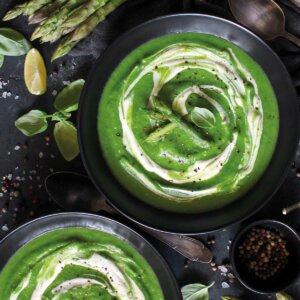
A delicate velouté, perfect as a first course or a base for other preparations.
Cut the stems into small pieces and cook them in a pot with a potato and some onion. Cover with vegetable broth and let cook for about 20 minutes, until everything is soft. Blend until smooth and homogeneous, and finish with a drizzle of raw oil and a grind of pepper.
A simple yet extremely versatile recipe, ideal for seasoning pasta or grains.
-
Sautéed asparagus stems
A quick and tasty side dish.
Slice the stalks into rounds and sauté them in a pan with extra virgin olive oil and a clove of garlic. Cook for 8-10 minutes until tender but still slightly crisp. Add salt, pepper, and, if desired, a squeeze of lemon.
Perfect to accompany main courses or to add to warm salads.
-
Asparagus stalk gratin
A more decadent version, also ideal for those who don't particularly like vegetables.
After blanching the stems for a few minutes, arrange them in a baking dish and season with breadcrumbs, Parmesan cheese, and a drizzle of olive oil. Bake in the oven at 190°C (375°F) for about 20 minutes, until the surface is golden and crispy.
The contrast between the soft interior and the crispy exterior makes them irresistible.
-
Asparagus stem chips
An original and light snack.
Cut the stems into thin strips, season them with oil, salt, and spices to taste, and arrange them on a baking sheet. Bake at 180°C for about 10-15 minutes, until they become crispy.
Perfect as an alternative to classic chips or as a topping for soups and salads.
-
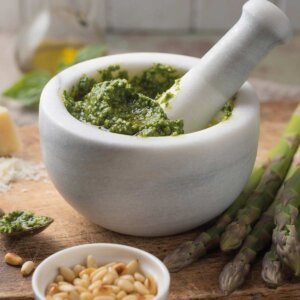
Asparagus stem pesto
A creative and sustainable idea.
After blanching them for a few minutes, blend the stems with extra virgin olive oil, dried fruit (like almonds or walnuts), Parmesan cheese, and a pinch of salt. If necessary, add a little of the cooking water to achieve the desired consistency.
You'll get a delicately flavored pesto, perfect for dressing pasta, rice, or bruschetta.
Zero Waste suggestion
If you have a lot of vegetable scraps, including asparagus stems, you can use them to make homemade vegetable broth. Simply simmer them with other vegetables like carrots, celery, and onion to create a flavorful base for countless recipes.
Asparagus Stems: A Precious Resource
Asparagus stalks are not waste, but a precious resource in the kitchen. With a few simple steps, they can be transformed into tasty and healthy dishes.
Reducing waste also means rediscovering ingredients we often underestimate and learning to use them creatively. From creams to side dishes, to the most delicious recipes, asparagus stalks can truly make a difference.

Discover more ideas Zero wastes and all our Bontà di Stagione:
- Even artichoke stems can be used in delicious, zero-waste recipes: discover them here.
- Don't throw away the leek leaves, but use them in these recipes.
- Want Asparagus Risotto but don't have much time to prepare it? Try our Asparagus Risotto.
- You already know our Goodnesses: discover them all.
 Italian
  English
  Czech
Czech 


