

When we buy beets we often focus on the root, automatically discarding the leaves. In reality, beet leaves are edible, nutritious and surprisingly versatile in the kitchen.
Using them means making an informed choice: reducing waste, enhancing every part of the vegetable, and bringing tasty and sustainable dishes to the table.
Let's find out together why they should never go in the trash, how to clean them properly, and 5 Zero Waste Recipes To turn them into protagonists.
Beet leaves: nutritional values above the root
Beet leaves are not only good, but also very rich nutritionally, in some cases even more than the root.
Contain:
-
vitamins A, C and K, essential for the immune system, vision and bone health,
-
mineral salts such as iron, calcium, magnesium and potassium,
-
fibers, useful for intestinal well-being,
-
natural antioxidants and chlorophyll.
Because of their nutritional profile, beet leaves are ideal in a balanced, light and seasonally aware diet. Using them in cooking allows you to Make the most of the properties of the vegetable, avoiding unnecessary waste.
How to Clean Beet Leaves Properly
Before using them, it is important to clean them properly.
-
Separate the leaves from the root with a knife, leaving the stems intact.
-
Remove any damaged, stained, or too dry outer leaves.
-
Wash the leaves thoroughly under running water, rubbing gently to remove any soil residue.
-
Dry them well with a tea towel or salad spinner.
The stems, if very thick, can be separated from the leaves and cooked a few minutes longer, just like chard.
5 Zero Waste Recipes with Beet Leaves
Once cleaned, beet leaves lend themselves to many preparations. Here you go 5 simple, tasty and sustainable ideas.
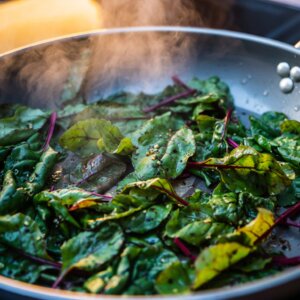
1. Pan-fried beetroot leaves
A quick and tasty side dish.
Wash and roughly cut the leaves. In a pan, heat a drizzle of extra virgin olive oil with a clove of garlic, add the leaves and sauté for 5–7 minutes. Adjust salt and finish with a sprinkling of pepper or chili pepper.
Perfect as a side dish or to enrich grain and legume dishes.
2. Savory cake with beet leaves
An ideal one-pot meal for recovering leaves.
Blanch the leaves for a few minutes, drain them and squeeze them well. Chop them and mix them with ricotta or stracchino, an egg, grated Parmesan cheese, salt and pepper. Pour the mixture into a puff pastry base and bake at 180°C for 30–35 minutes.
Tasty, practical and also perfect for lunch outside the house.
3. Beet leaf pesto
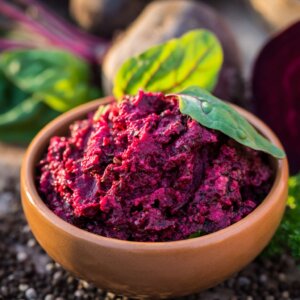
An original alternative to classic pesto.
Blend the raw or lightly blanched leaves with extra virgin olive oil, dried fruit (almonds or walnuts), parmesan cheese, and a pinch of salt.
Great for seasoning pasta, for spreading on toast, or for flavoring soups and cereals.
4. Soups and soups with beet leaves
Beet leaves are perfect for winter soups.
Add them roughly chopped to vegetable, legume or cereal minestrone soups in the last few minutes of cooking. They blend easily and add color, flavor, and extra nutritional value to the dish.
5. Beet leaf chips
A crunchy snack and Zero Waste.
Wash and dry the leaves well, remove the tougher central rib and break them up. Season them with oil, salt and spices to taste. Bake at 180°C (350°F) for about 10 to 15 minutes, checking that they do not burn.
Perfect as a healthy snack or as a crunchy garnish.
How to store fresh beet leaves
If you don't use the leaves right away, you can store them in several ways:
-
in the refrigerator: wrapped in a slightly damp dishcloth or paper bag, they last 2-3 days
-
blanched and frozen: after a short cooking time, dry them well and freeze them in portions; they will keep for up to 3 months
Proper storage allows you to further reduce waste and always have a ready base for recipes.

Discover more ideas Zero wastes And all of our Bontà di Stagiones:
- Tasty ideas to avoid throwing away coastal chard: discover the our tips.
- The stems of black cabbage are excellent for making a pesto: discover the recipe.
- Discover all Zero Waste recipes by Bontà di Stagione.
- You already know our Bontàs: discover them all.
 Italian
  English
  Czech
Czech